Jaw Pain, Headaches, and Neck Tension: Why TMJ Is Rarely Just a Jaw Problem


If you’ve ever experienced jaw pain, headaches, or neck tension, you may have wondered whether your symptoms are really connected. Many people assume that jaw discomfort is just a dental issue, or that headaches are unrelated. In reality, the jaw, head, neck, and nervous system are closely intertwined — and treating just one area often isn’t enough to provide lasting relief.
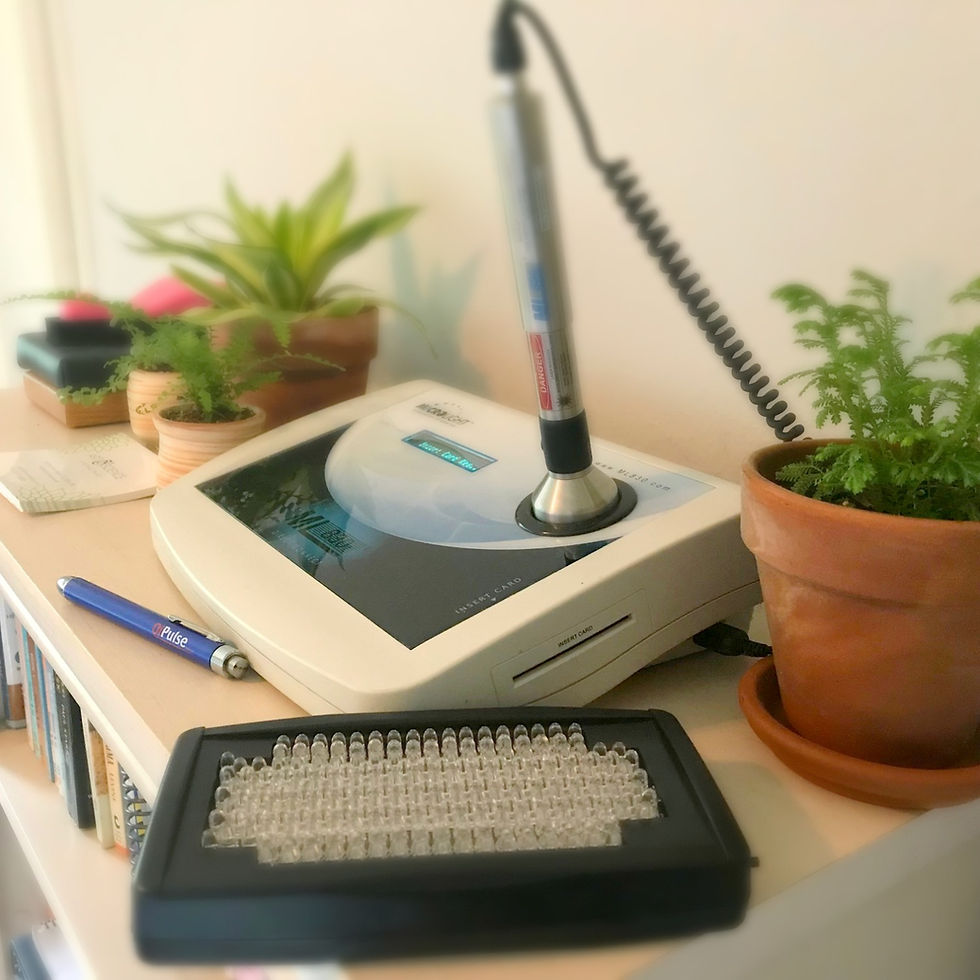
At Art & Science Healing in Austin, we take a whole-system approach to TMJ care, addressing jaw mechanics, cranial tension, and nervous system patterns together. This approach helps clients find more lasting relief from pain, stiffness, and tension. TMJ treatment may include gentle, hands-on techniques similar to massage for the jaw, face, and neck, combined with craniosacral therapy and Frequency-Specific Microcurrent (FSM) to address the root causes of dysfunction.
Common Symptoms Often Linked to TMJ
TMJ dysfunction can show up in ways that aren’t immediately obvious. Some of the most common symptoms include:
Jaw pain, clicking, or locking
Headaches or migraines
Facial pressure or pain
Neck and shoulder tension
Ear fullness or ringing
Pain with chewing, speaking, or yawning
Because these symptoms overlap with headaches, neck pain, and even nervous system overactivation, it’s easy to mistake the cause. Many clients come to us after trying dental appliances, medication, or other approaches with limited relief.
Why Treating the Jaw Alone Often Isn’t Enough
The jaw is intimately connected to the cervical spine, skull, and nervous system. If tension or irritation persists in any of these areas, the jaw may remain guarded, and symptoms can continue. Simply stretching the jaw, using a mouth guard, or adjusting teeth may not resolve the underlying problem.
That’s why our TMJ care focuses on the whole system: jaw muscles, cranial structures, the neck, and nervous system patterns. By supporting the body as a whole, we help reduce tension and improve function naturally.
How Gentle, Integrative Care Helps
At Art & Science Healing, TMJ therapy may include:
Craniosacral therapy to release tension in the skull and jaw
Gentle manual therapy for jaw, neck, and shoulder muscles
Frequency-Specific Microcurrent (FSM) to calm irritated tissues and nerves
Nervous system regulation to reduce clenching and protective patterns
Because care is gentle and non-forceful, it is well-tolerated even by those who have sensitive or reactive systems. Many clients notice reduced jaw tension, fewer headaches, and improved neck comfort after only a few sessions.
When to Consider TMJ Therapy
If you experience ongoing jaw pain, headaches, neck tension, or difficulty with chewing or speaking, it may be time to explore whole-system TMJ care. Early intervention can prevent symptoms from becoming chronic and may reduce the need for more invasive treatments later.
Learn More and Schedule Your Appointment
TMJ dysfunction can be complex, but relief is possible. To learn more about our approach or to schedule a session, visit our TMJ Therapy page or contact us today. Our one-on-one sessions in Austin combine experience, precision, and gentle care to help you restore comfort and function.


Comments